

effective since 2023.
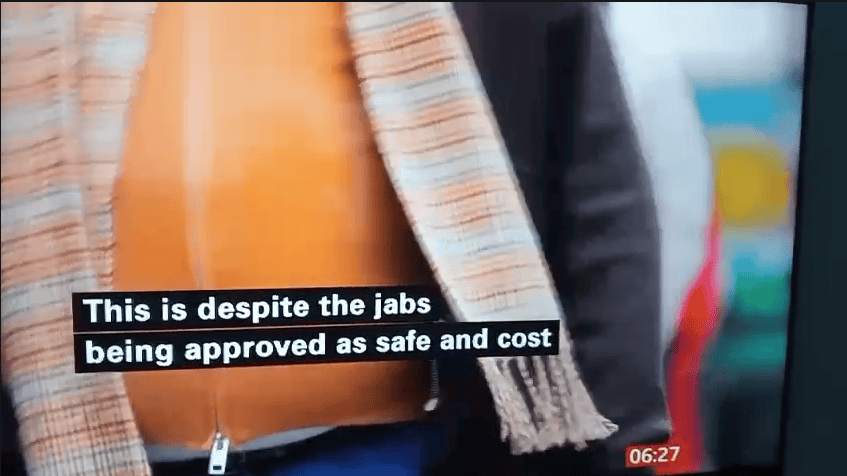
BBC Scotland‘s insert in BBC Breakfast this morning tell us that the weight loss drug ‘jabs’ (sic) Wegovy and Mounjaro are only being prescribed free, on the NHS, for ‘fewer than 800′ Scots, that at least 300 000 are accessing them privately, that this discriminates against the obese and that they have been approved as ‘safe and cost effective.‘
In some ways strangely, given their close ties, the BBC Scotland writers have forgotten this from the Herald in May 2025:
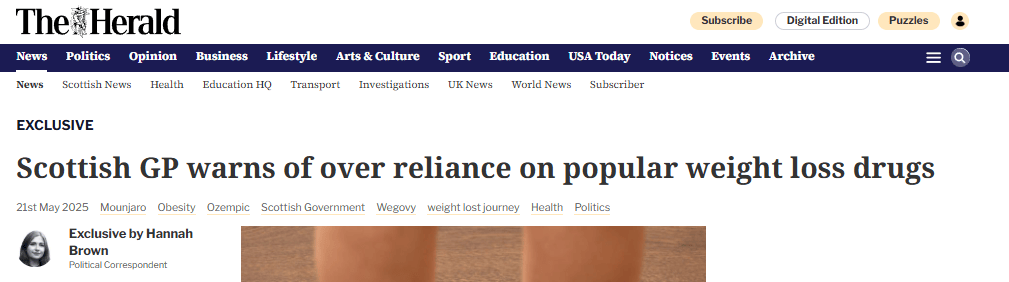
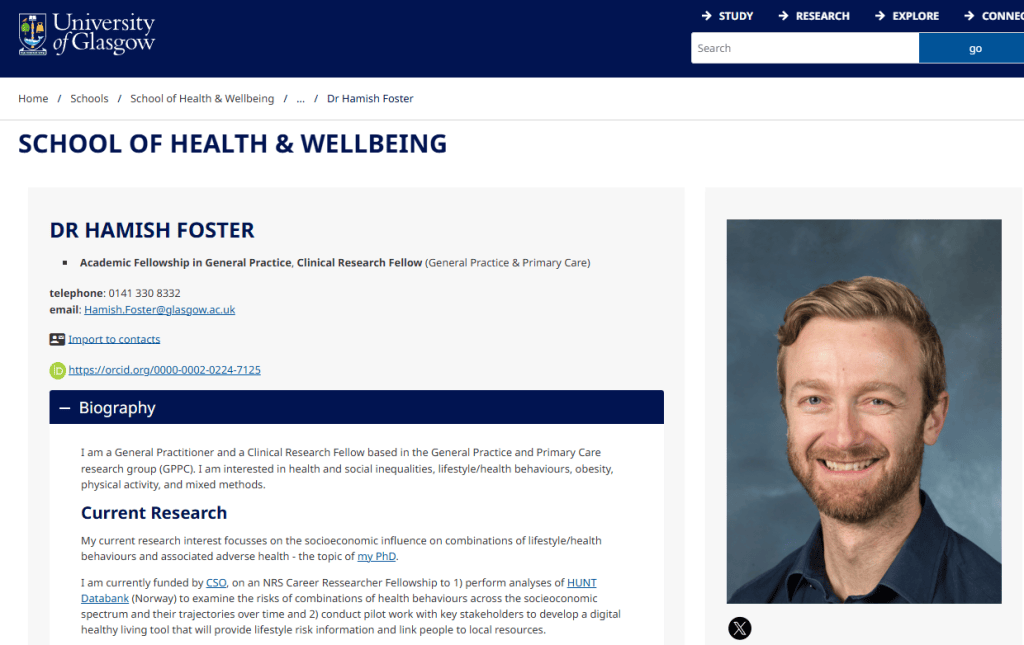
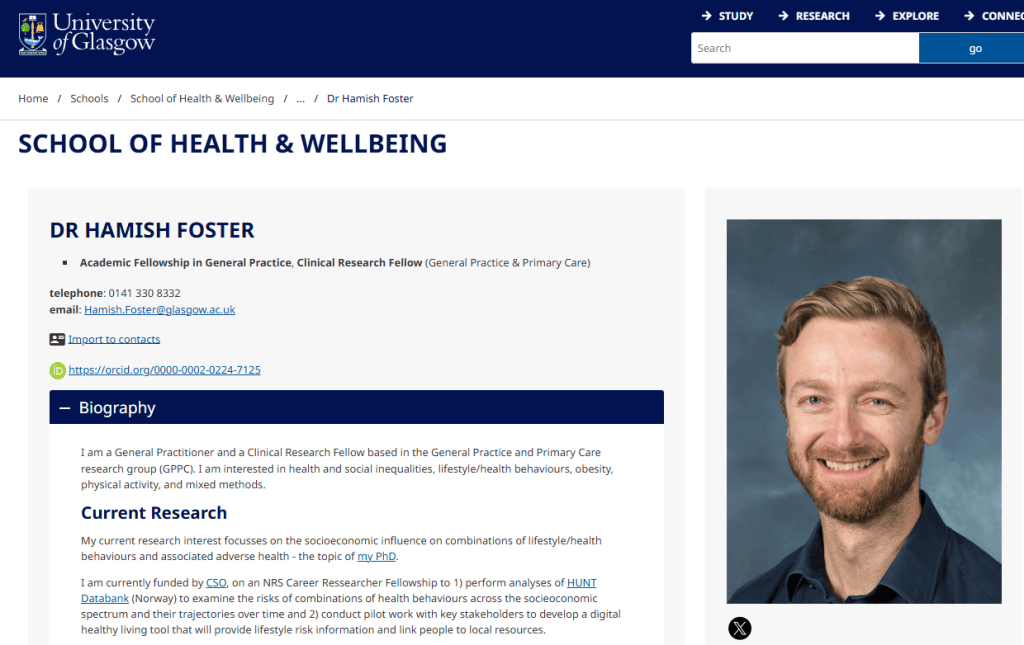
A Scottish GP has warned about society’s potential reliance on weight loss drugs as he calls for a more ‘socio-economic’ approach in tackling Scotland’s record-high obesity rates.
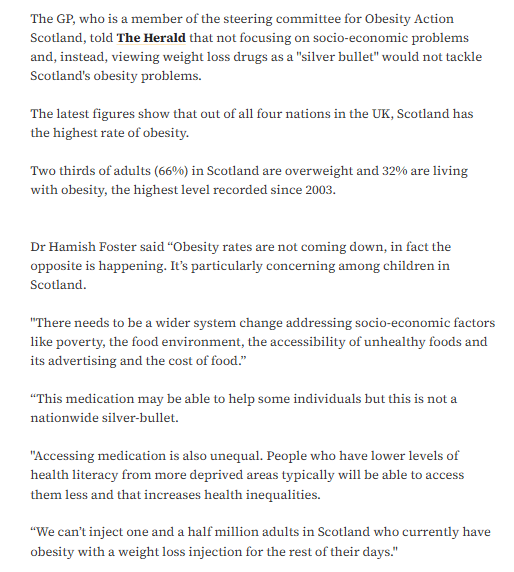
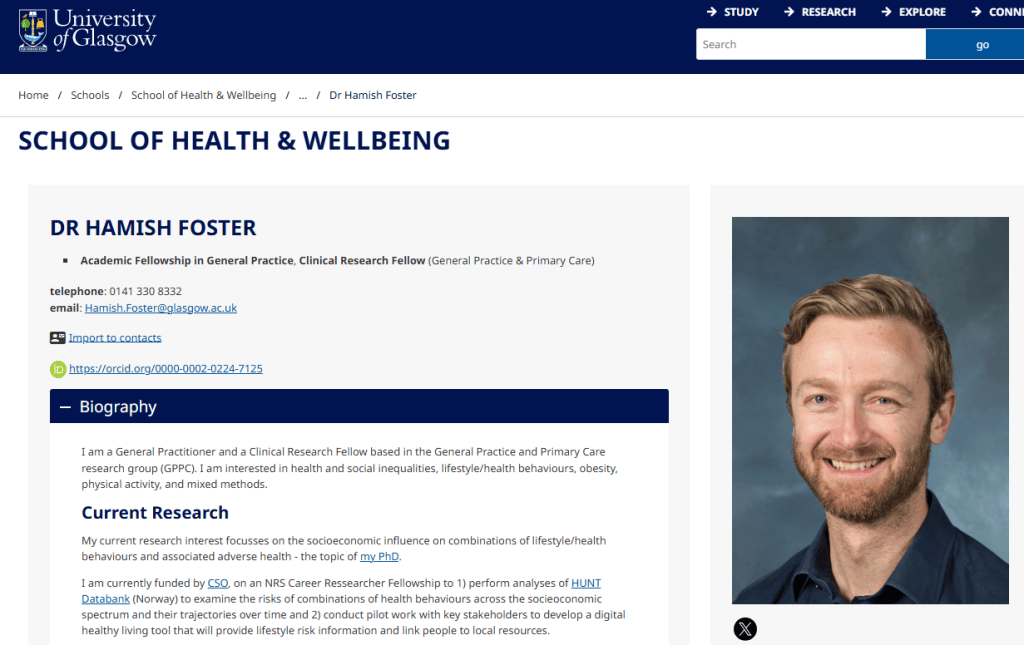
There’s something interesting, revealing, in the Herald linking these ideas to just ‘a GP’ when, commonly, they will use the term ‘leading doctor’ for those who are essentially union officials. Dr Hamish Foster, a GP who works in a deprived area of Glasgow and sits on the steering committee of Obesity Action Scotland.
Would changes to the food environment for especially the deprived be a better approach?
It is widely regarded as a more sustainable, equitable, and cost-effective population-level approach than relying primarily on weight-loss drugs, especially for deprived groups—but the two are not mutually exclusive. https://www.obesityactionscotland.org/campaigns-and-policy/manifestos/a-manifesto-for-the-next-scottish-government-scotlands-good-food-future/
Why the food environment matters more for population impact
Obesity is strongly patterned by deprivation in Scotland (and elsewhere). Deprived areas typically have higher densities of fast-food and takeaway outlets, more promotions on high-fat/sugar/salt (HFSS) foods, poorer access to affordable healthy options, and greater exposure to unhealthy advertising. This creates a “double burden” that makes healthier choices harder. https://www.newfoodmagazine.com/deprived-areas-have-unhealthiest-food-options-claims-research/813664.article
Evidence supports intervening on the food environment:
- Systematic reviews and causal studies link neighbourhood food environments (outlet density, distance, availability of healthy vs unhealthy options) to dietary intake and, in some groups (especially children and more disadvantaged adults), BMI outcomes. https://www.sciencedirect.com/science/article/pii/S027795362200185X
- Modelling and evaluations of specific policies (restricting HFSS promotions and placement, limiting new fast-food outlets in high-density areas, reformulation) project meaningful reductions in calorie intake and obesity prevalence. Nesta analysis for Scotland estimated that banning price promotions on unhealthy food could cut obesity rates by around 25% over five years; placement restrictions could contribute further. Scotland has been implementing or advancing such measures (e.g., Food (Promotion and Placement) Regulations targeting HFSS promotions and placement).https://www.heraldscotland.com/news/24692944.junk-food-crackdown-slash-obesity-25-per-cent/
- Targeting deprived areas specifically (e.g., planning restrictions, improved healthy food access pilots) can narrow inequalities, as underprivileged groups appear most sensitive to environmental changes.https://www.healio.com/news/endocrinology/20250114/policies-that-restrict-fastfood-outlets-may-reduce-childhood-obesity-in-deprived-areas
Obesity Action Scotland and similar groups prioritise this. Their manifestos call for free school meals, restricting junk-food promotions and advertising, limiting fast-food outlet density, improving affordability/accessibility of healthy food, and holding retailers accountable. This explicitly frames it as a social justice issue for deprived communities. https://www.obesityactionscotland.org/campaigns-and-policy/manifestos/a-manifesto-for-the-next-scottish-government-scotlands-good-food-future/
Comparison with weight-loss drugs
Drugs such as Wegovy and Mounjaro produce large, clinically meaningful weight loss and cardiometabolic benefits for individuals who take them. This is often between 15 to 20% plus body-weight reduction in trials. SMC has accepted them as cost-effective under restricted criteria and pricing.
However:
- Effects reverse after discontinuation if the food environment and behaviours do not change.
- Real-world adherence is lower than in trials. Budget impact of broad rollout is very high, potentially billions annually to treat large eligible populations.
- Access is currently inequitable with high private use and limited NHS provision. Also, they do little for children or prevention of new cases.
- Cost-effectiveness analyses often find them within conventional thresholds for individuals but warn of prohibitive population-level budget strain. Lifestyle/environment measures are far cheaper at scale. https://www.drugtopics.com/view/icer-report-finds-glp-1s-are-cost-effective-but-warns-of-budget-strain
BBC Scotland’s reporting of the above complex issues is a fundamental failure of their charter to provide balanced reporting and the worst form of tabloid point-scoring against the SNP in government – shameful.
Discover more from Talking-up Scotland
Subscribe to get the latest posts sent to your email.


Traditional Scottish food is now marketed as “superfood” – oatmeal and kale. Obesity became a problem in Britain after the American style diet became popularised through MacDonalds and Wimpy. There is a huge mountain to climb in public education and support with schools and community centres the ideal places to start. BBC Scotland is the last place anyone would go for advice!
LikeLike