

In the Guardian today:
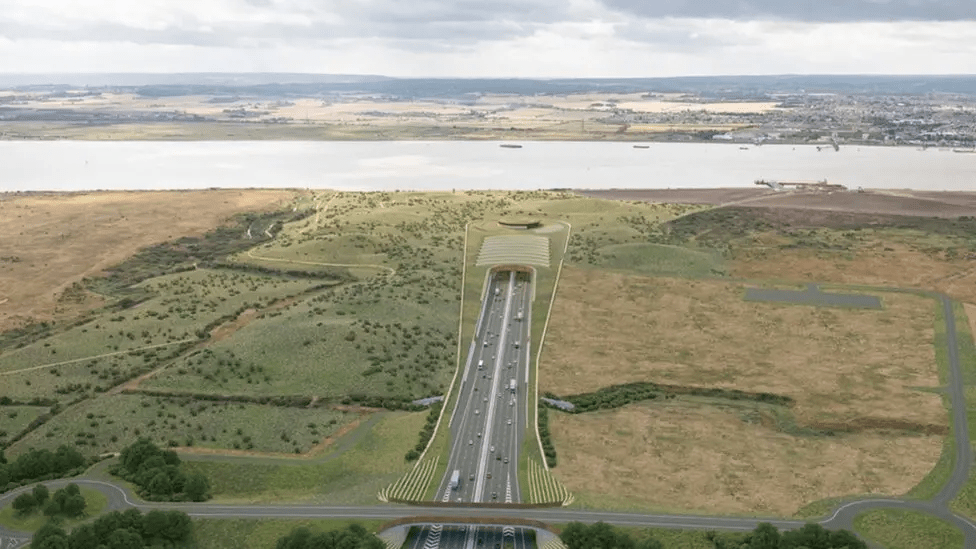
Ministers have earmarked more than £170m extra to help build the Lower Thames Crossing road tunnel, fuelling concerns over the “spiralling” costs of one of the UK’s largest planned infrastructure projects.
The proposed £11bn route under the Thames between Kent and Essex is already estimated to cost more each mile than the HS2 high-speed rail link from London to Birmingham. It was given the funding boost as part of a plan to spend £3.1bn of public money on the project, before a hoped-for injection of £7.5bn by a private sector firm.
https://www.theguardian.com/business/2026/jun/08/extra-cash-spiralling-lower-thames-crossing
Do Scots pay 8% of the cost of this? Some will tell you we get it back through the Barnett ‘consequentials’ – additional funding to compensate for England-only projects funded by the UK Treasury where our taxes go, such as HS2 and the nationalising of Steel production. However expert opinion disagrees.
The Institute for Studies, not always a friend of Scotland, points out that Barnett applies only to changes in spending that the Treasury classifies as “comparable services”. At Spending Reviews, departments are assigned comparability factors, while for in-year spending decisions the Treasury determines whether a particular item is comparable or UK-wide. The IFS explicitly notes that there have been “disagreements between the UK and devolved governments” over whether certain projects should generate Barnett consequentials, citing examples such as the 2012 Olympics, Kew Gardens and the HS2.
https://ifs.org.uk/articles/barnett-formula?utm_source=chatgpt.com
Discover more from Talking-up Scotland
Subscribe to get the latest posts sent to your email.


Westminster spends £100Billion more on projects in England. Scotland has to make loan repayments on monies not borrowed or spent in Scotland. £10Billion in difference to Scotland.
LikeLike
Couldn’t they have built a high level bridge at a fraction of the cost ?
LikeLike
A bit of a white elephant considering the most of the area this is meant to serve will be under water with rising sea levels in the not too distant future..or is it just a myth. The thames barrier will never hold it back if it decides to encroach.
LikeLike