

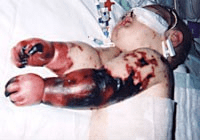
Four months after two meningitis deaths in Kent, we can read from BBC Health, in the last few minutes:
All teenagers should be offered a free vaccine against meningitis B (MenB) at around the age of 15, UK experts are now recommending – a change to previous advice.
It follows concerns over the UK’s largest and fastest growing outbreak that happened in Kent earlier this year, in which two people died.
As a precaution, a one-off vaccination campaign is already being launched around the UK this summer for young people heading off to university for the first time, among some others.
Advisers, external are asking the government to consider introducing MenB jabs routinely for secondary school-aged people to better protect them against a disease that can be deadly. https://www.bbc.co.uk/news/articles/c74glj9zkzko
How does the situation in Scotland compare?
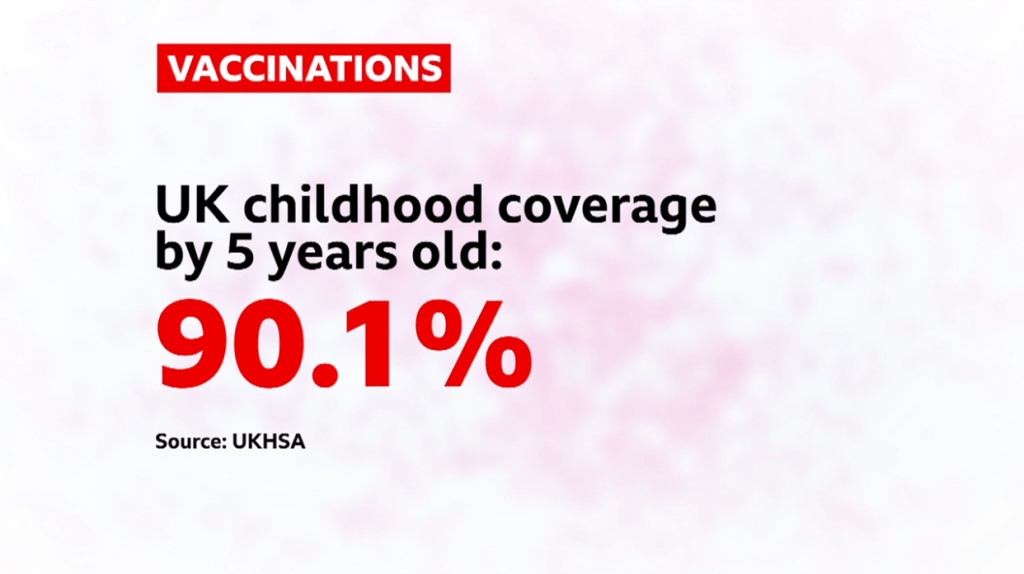
On BBC News at 6 on March 16th 2026, reporting on the Meningitis deaths in Kent, we were surprised to see the above figure of only 90% having had the Meningitis B vaccine by 5 years-old.
Why do I say only?
From Public Health Scotland’s Childhood immunisation statistics Scotland Quarter ending 30 September 2025 [latest data]:
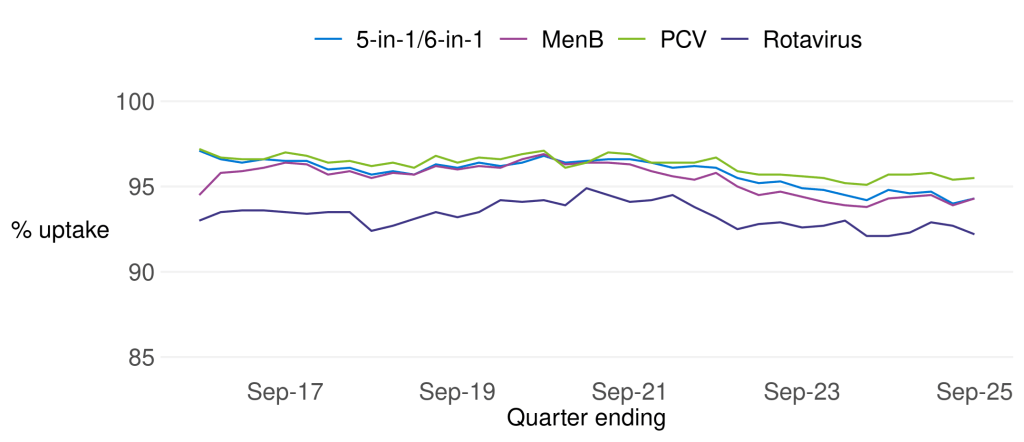
Uptake for children aged 12 months old was: Pneumococcal Conjugate Vaccine (PCV) (95.5%), 6-in-1 (94.3%), MenB (94.3%), Rotavirus (92.2%).
94.3% by 12 months in Scotland and only 90% by 5 years in England? Worrying?
The World Health Organization (WHO) does not specify a particular herd immunity threshold percentage for meningococcal serogroup B (MenB) disease, also known as meningitis B.
So is there a general herd immunity percentage based on research that health authorities might apply?
In countries with routine MenB programs high coverage (96%) has led to substantial reductions in MenB disease in vaccinated age groups (often 50-75%). https://www.thelancet.com/journals/lancet/article/PIIS0140-6736(16)31921-3/fulltext
Perhaps the authorities in Scotland have read the above 2016 Lancet report?
How did the media in England react to the failures of NHS England and their health secretary, Wes Streeting?
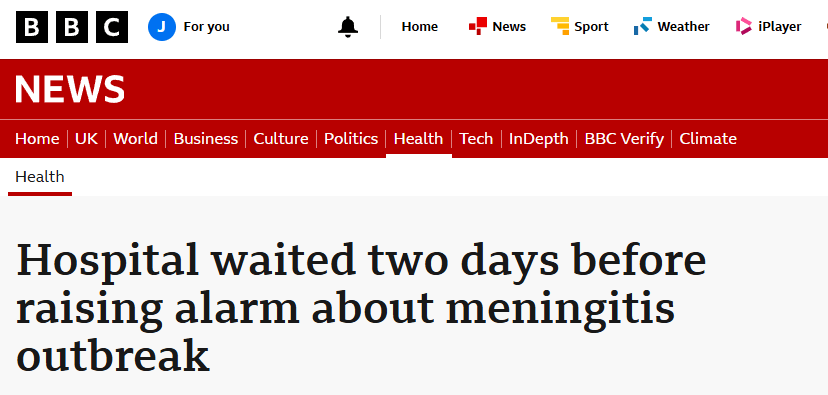
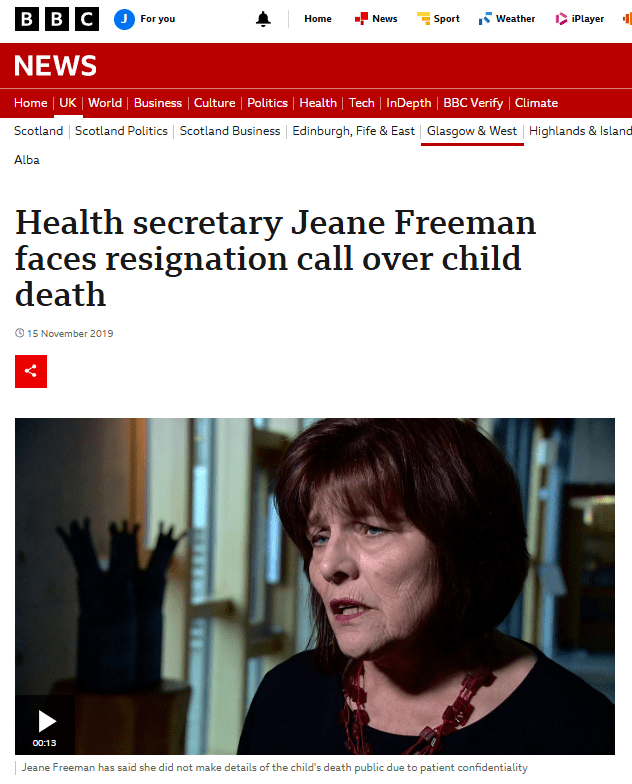
on 25 March 2026, with a photo of a nurse, BBC Health reports, the above and:
The NHS waited two days before raising the alarm about the meningitis outbreak, the BBC has learnt. The UK Health Security Agency was first alerted to a case by the Queen Elizabeth the Queen Mother Hospital, in Margate, on the afternoon of Friday 13 March. That patient arrived in hospital two days earlier but there was a delay in reporting to health officials – despite there being a legal requirement for cases to be reported immediately. It meant there was a delay in tracing close contacts of the patient and potentially identifying that there was a wider outbreak.
and:
Dr Des Holden, acting chief executive of East Kent Hospitals NHS Trust, said the patient first presented on Wednesday evening.
“We recognise there was an opportunity prior to diagnosis to notify UKHSA.
“We cannot go into the detail of individual patients’ care, but the trust has been in close contact with UKHSA since Friday 13 March to discuss the management of patients presenting with suspected meningitis.”
Invasive meningitis is classed as an urgent notifiable disease, so under Health Protection Regulations 2010 it is a requirement to report cases to health protection officials as soon as a case is suspected. Hospitals do not have to wait for tests and a formal diagnosis.
and
“Delaying reporting a case is indefensible,” said Prof Paul Hunter, an expert in infectious disease at the University of East Anglia. “You don’t wait for a formal diagnosis when it comes to meningitis – you report it straight away so it can be investigated.
“Not only do you want to trace the close contacts to give them preventative treatment, you also want to see if there are other cases developing.”
He added: “You had significant numbers of young people developing symptoms as the days went by, but they were unaware there was an outbreak. If they had known, they may have come forward for treatment sooner.”
He said quick treatment was essential to increase the chances of survival and to avoid life-changing disabilities, such as loss of limbs, blindness and brain injury. https://www.bbc.co.uk/news/articles/cp8dnxln3y5o
There is, in the above report not one mention of Health Secretary, Wes Streeting, nor of any calls for resignation, yet in Scotland in 2019 we saw the above and:
The health secretary is facing a call to resign after it emerged a child’s death at a Glasgow hospital could be linked to contaminated water. The child died in 2017 while being treated at the Royal Hospital for Children (RHC) and Ms Freeman learned of the case in September. She said she acted on the information but did not make details public because of patient confidentiality.
The Scottish Conservatives said she should resign or be sacked. The case – which was brought to light by an NHS whistleblower – was highlighted during First Minister’s Questions on Thursday by Scottish Labour MSP Anas Sarwar. While it was known there were a number of possible water-related infections in 2018, he said a clinician-led investigation had found up to 26 further potential cases on the cancer ward in 2017 including one child who had died.
and
Greater Glasgow Health Board insists a link between the infection and the hospital cannot be proven because regulations at the time did not require water testing. The Scottish government said Ms Freeman was contacted by a bereaved parent in September and she arranged for a representative of the health board to make urgent contact with them to ensure their questions were answered.
The case is the latest in a series of problems to hit the Queen Elizabeth University Hospital and Royal Hospital for Children which share a campus in Glasgow. In January it emerged two people had died at the QEUH after contracting an infection linked to pigeon droppings. Ms Freeman recently announced a public inquiry into construction issues at both the Glasgow “super hospital” site and the new children’s hospital in Edinburgh.
Scottish Conservative health spokesman Miles Briggs said: “There’s no way Jeane Freeman can continue in the role now the details of this case have been made clear.
“The health secretary must apologise to the family and resign or, if she refuses, be sacked.” https://www.bbc.co.uk/news/uk-scotland-glasgow-west-50432665
Compare the report on the English hospital with above, platforming two opposition politicians’ faux rage and massively over-stated claims and the linking of the QEUH to supposed other problems.
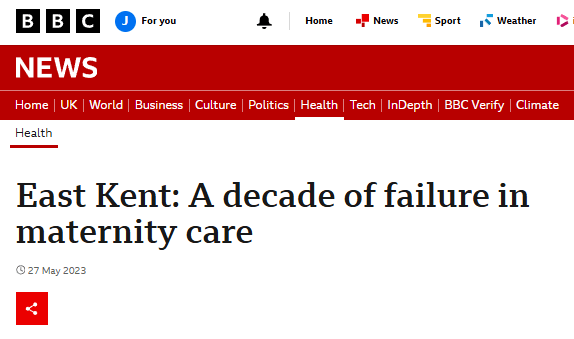
Imagine BBC Health had reported in that respect for East Kent Trust?
Discover more from Talking-up Scotland
Subscribe to get the latest posts sent to your email.

