

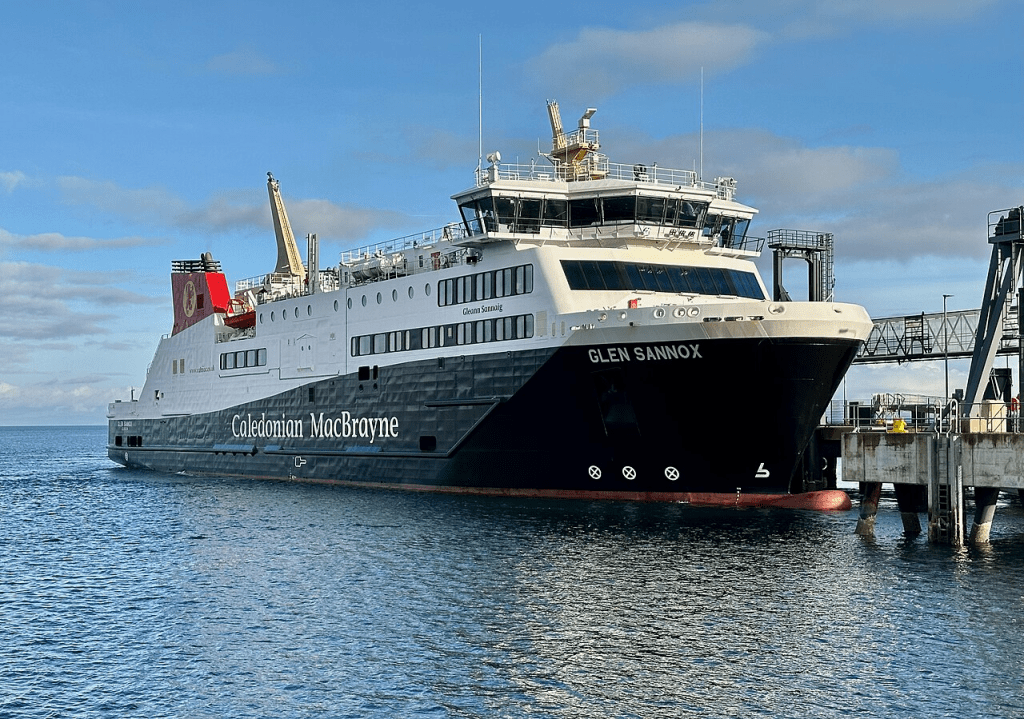
It’s been ages, two days, since the last ferry fiasco story, likely to affect the voting behaviour of almost no voters of course but you can be sure there will be a big one on Wednesday night, maybe even on the day of the vote? Look and laugh.
What will you not hear?
Well-known examples
1. Hinkley Point C (UK nuclear power)
- New-generation nuclear plant
- Costs rose dramatically from initial estimates
- Years behind schedule
- Classic case of combining regulatory complexity with first-of-type engineering
2. Crossrail (London rail project)
- Highly innovative urban rail integration
- Opened several years late and billions over budget
- Now widely seen as a success—but only after difficult delivery
3. Boeing 787 Dreamliner (aviation)
- Introduced new materials (carbon composites) and systems
- Major delays and cost overruns
- Eventually successful and widely used
4. Airbus A380 (aviation)
- Technologically ambitious flagship aircraft
- Production delays and wiring issues
- Commercially struggled despite engineering achievement
5. Sydney Opera House (Australia)
- Iconic today
- Took 14 years instead of 4
- Cost about 15× original estimate
**6. California High-Speed Rail
- Still under construction
- Costs and timelines have escalated repeatedly
- Mix of innovation, politics, and land acquisition challenges
What about the MOD?
UK Ministry of Defence examples
Ajax reconnaissance vehicle
- Intended as a next-generation armoured vehicle
- Programme delayed for years
- Major technical issues (notably noise and vibration affecting crews)
- Costs rose significantly
👉 A classic “too much innovation at once” case—new design, new systems, rushed into production before problems were solved.
Type 45 destroyer
- Highly advanced air-defence destroyers
- Entered service with propulsion reliability issues
- Required expensive retrofits (“Power Improvement Project”)
👉 Not a failure overall—but an example of cutting-edge systems creating unforeseen operational problems.
Queen Elizabeth-class aircraft carrier
- The UK’s largest ever warships
- Costs increased substantially during development
- Design changes (notably around aircraft launch systems) added complexity
- Delivered years later than initially envisaged
👉 Important nuance: despite overruns, they are now considered highly capable and strategically successful.
Type 26 frigate
- Next-generation anti-submarine frigates
- Programme delays and rising costs before construction fully ramped up
- Export success (e.g. Australia, Canada) suggests strong underlying design
👉 Shows how long development timelines can coexist with eventual success.
Nimrod MRA4
- Rebuild of older aircraft into a modern surveillance platform
- Severe delays and cost overruns
- Ultimately cancelled after billions spent
👉 One of the starkest examples: innovation + redesign + legacy systems = programme collapse.
Discover more from Talking-up Scotland
Subscribe to get the latest posts sent to your email.


AND YET THE ENGLISH BANDITS AT WESTMINSTER
LIE TO ALL CITIZENS TO CORRUPT VOTING STATS
WHY ANY ENGLISH PERSON CAN HONOURABLY VOTE FOR
ANY OF THE PRESENT LORDS LADIES AND POLITICAL PARTIES
KNOWING THEY WILL NEVER EVER CHANGE ‘THEIR CHARACTER’
LikeLike
ONE SIDED LIES
NO WONDER COUNTRIES THROUGHOUT THE WORLD
HAVE LOST TRUST IN TRUTHS COMING FROM BRITISH POLITICAL PARTIES
LikeLike