

Professor John Robertson OBA
From the Scottish Government today, reported by STV but not by BBC Scotland:
Young carers up to age 19 will now receive Young Carer Grant following an expansion of the benefit delivered by Social Security Scotland. The grant which was previously open to 16 to 18-year-olds is a Scottish only benefit that gives young carers a yearly payment of £390.25.
The payment can be used to pay for whatever the young person wants – like driving lessons, tech to help with work or study or new clothes. The grant is available to young people who spend at least 16 hours a week caring for someone who receives a disability benefit. It is available to young people who are in education, employed or out of work.
Social Justice Secretary, Shirley-Anne Somerville said:
“Young Carer Grant recognises the important contribution that young carers make, and I’m proud that we’re able to extend eligibility further to include 19-year-olds. Young carers often miss out on activities enjoyed by other people their age – Young Carer Grant provides some support towards helping them do the things they like outside of their caring responsibilities. This is just one of the improvements being made to support for carers and our wider social security system, ensuring that people are treated with dignity, fairness and respect.
https://www.gov.scot/news/young-carer-grant-extended-to-19-year-olds/
In July, BBC UK reported:
The head of a charity that supports young carers has said vulnerable children are being failed by the system designed to help them. The chief executive of Be Free Young Carers, which helps more than 600 children in Oxfordshire, said a lack of permanent funding and joined-up working was putting its work at risk. Sabiene North, who also sits on Oxfordshire Safeguarding Children Partnership, estimates 90% of the victims of Oxford’s historic grooming gangs were young carers.
How did the English grooming gangs seduce young girls?
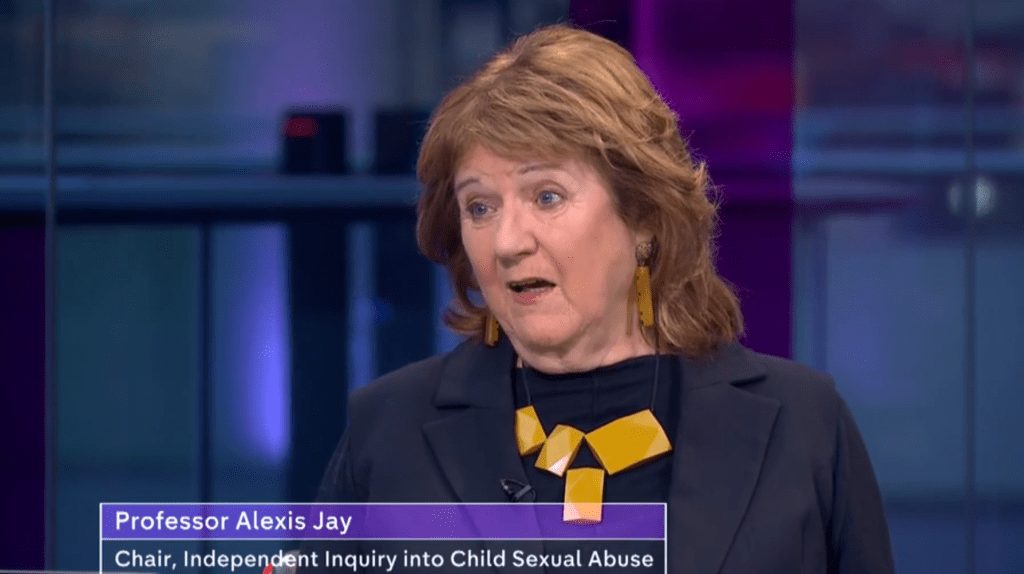
The Jay Report in 2014 and many other sources refer to gifts of cash and clothes to these deprived girls being the key to their initial entrapment.
chrome-extension://efaidnbmnnnibpcajpcglclefindmkaj/https://www.rotherham.gov.uk/downloads/file/279/independent-inquiry-into-child-sexual-exploitation-in-rotherham
Why would young carers be especially vulnerable?
Young carers (children under 18 who provide regular, unpaid care for a family member who is ill, disabled, has mental-health problems, or substance-misuse issues) were especially vulnerable to grooming gangs for a combination of practical, emotional, and systemic reasons. These factors made them almost “perfect” targets for the kind of street-grooming model that operated in Rotherham, Rochdale, Telford, etc.
| Reason | How it increased vulnerability to grooming gangs |
|---|---|
| Unsupervised time outside the home | Young carers often have to run errands, collect prescriptions, buy shopping, or take siblings to school. This gives them legitimate reasons to be out on the streets alone or in town centres late at night — exactly where groomers in taxis and takeaway shops were waiting. |
| Irregular school attendance / truanting | Caring responsibilities frequently lead to lateness, absences, or dropping out. Schools stop noticing when they don’t turn up, so no one raises the alarm when a groomer starts picking them up in a taxi instead. |
| Emotional loneliness and craving affection | Many young carers feel invisible at home — they are the “parentified” child looking after an adult. Groomers exploit this by giving the intense attention, praise, and apparent affection (“You’re special”, “I’ll look after you”) that the child never gets from overwhelmed or unwell parents. |
| Guilt and secrecy | Young carers are often told “Don’t tell anyone Mum drinks / Dad’s sick / we’ll be split up if social services find out”. Groomers reinforce this: “If you tell, your little brother will go into care” — so victims stay silent even when the abuse escalates. |
| Financial pressure and poverty | Caring households are usually on low incomes. Groomers offering £20–£50, free food, phone top-ups, or new clothes feel like a lifeline (“I can buy milk for Mum”). |
| Exhausted or substance-using parents | Parents who are disabled, mentally ill, or addicted are less able to protect or monitor their children. In some documented cases the parent’s own drug dealer was part of the grooming network. |
| Already known to services but labelled “troublesome” | Young carers often come into contact with social services, teachers, or GPs, but professionals see chaotic behaviour (missing school, stealing food for the family, aggression) and label the child “difficult” rather than recognising the caring role. When the same child later reports rape, police dismiss her as “making lifestyle choices” — exactly what happened in Rotherham and Rochdale. |
| Lack of safe spaces | Home is stressful or unsafe, school is inconsistent, and there is nowhere else to go. A groomer’s car or flat becomes the only place the child feels relaxed or valued. |
Evidence from inquiries and research
- The 2014 Jay Report (Rotherham) repeatedly notes that many victims had “caring responsibilities” or were effectively looking after younger siblings while parents were incapacitated.
- The 2022 Telford Inquiry explicitly mentions young carers as a high-risk group that services failed to identify or protect.
- Barnardo’s and The Children’s Society (major UK young-carers charities) have both published reports showing young carers are 2–3 times more likely to experience sexual exploitation because of the factors above.
- Greater Manchester’s 2024 complex safeguarding review found that a significant proportion of CSE victims had been young carers, often caring for parents with substance-misuse or mental-health problems — the same profile as many Rochdale victims.
In short: young carers were not just vulnerable — they were deliberately targeted because their lives already contained the exact ingredients groomers needed: isolation, guilt, exhaustion, and no one watching out for them.
https://x.com/i/grok?conversation=1990473864757870774
Discover more from Talking-up Scotland
Subscribe to get the latest posts sent to your email.
 Talking-up Scotland
On a related matter The National interviewed Corbyn who said without any contradiction that Youth unemployment and child poverty is in the increase in Scotland and the English sounding interviewer inferred that voting for his ‘Your Party was the best route to Scottish Independence. I despair.
Robbo
LikeLike
Hi Robbo
Can’t seem to access this.
Can you give me the quotes?
John
LikeLike
Cancel that
Listening now
John
LikeLike
Birmingham bin strikes to continue for months, union warns, as industrial dispute deepens
Just thought I would post this WHERE IS SARWAR
LikeLike
With the rest of the rats.
gavinochiltree
LikeLiked by 1 person
Who ?
LikeLike
‘Said without any contradiction that Youth unemployment and child poverty is in the increase in Scotland?’
I’ve listened but didn’t hear that.
How many min sec in?
John
LikeLike