

By stewartb
Lots of BBC coverage online of NHS Scotland today (November 4), but no space for positive news!
Lots of quotes from opposition politicians amplified (without challenge of course) by BBC Scotland, by the media organisation that supposedly performs a public service. For example, the British Labour Party’s deputy leader and health spokesperson in Scotland is working to undermine public trust through her (unsubstantiated and unchallenged) claims of ‘fiddling’ data.
On October 28, Public Health Scotland published this statement from its Director of Data and Digital Innovation and Head of Profession for Statistics: ‘Updating the frequency of our waiting times statistics’. (See the PHS website.)
It tells us: ‘Waiting times for consultant-led new outpatient appointments and treatment as an inpatient or day case are important statistics as they give an indication to the public of how long they might need to wait for their appointment from the NHS in Scotland. They also give an indication on how the NHS is performing in Scotland. These statistics are an essential part of the Scottish Government’s commitments in their Operational Improvement Plan.
‘Given the increased focus on these statistics, we are changing the frequency of publication from quarterly to monthly. Replacing the previous quarterly format, allows for more frequent updates on a topic that matters deeply to patients, clinicians, and policymakers.’
The PHS statement also provides a link to its patient-facing website which shows waiting times for new outpatient appointments at consultant-led clinics and inpatient and day case treatment. This will also now be updated monthly. (See https://waitingtimes.publichealthscotland.scot )
At the end of the statement, the PHS Director notes: ‘Given the important changes outlined above to these statistics, I have written to the Office for Statistics regulation to update them and to ask them to undertake a compliance check so that we can receive important feedback from them about the changes.’ (The action of an organisation intent on fiddling data?)
And: ‘We will also be engaging directly with key users such as MSPs, parliamentary staff and government officials to help them use these statistics effectively and answer questions about these developments.’ (Sensible action by an organisation on the fiddle?)
Meanwhile on the Scotland page of the BBC News website today (November 4) there is this headline: ‘Swinney pledges £25.5m to bring down NHS waits’. It explains: ‘First Minister John Swinney said the money would help deliver more hospital appointments.’
And in the same BBC article: ‘Public Health Scotland – which publishes waiting list data – has warned that guidance introduced in July meant that waiting times were “not directly comparable” to periods before the change, which Scottish Labour claimed was an attempt to “fiddle the figures”. ‘Warns’ vs. ‘explains’?
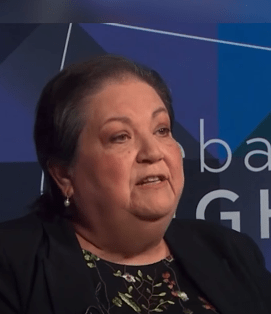
But the (evidence-free) charge of ‘fiddling’ figures made once in the article is not enough for BBC Scotland. We also have this repetition: ‘Scottish Labour health spokesperson Jackie Baillie said: “It has been five years since the Scottish government met its own four-hour target on A&E waits, with thousands of Scots still having to endure agonising waits before being seen. Instead of addressing the problem, SNP ministers have shamefully attempted to pull the wool over the eyes of Scots by fiddling the figures in a desperate bid to cover up for their failure to take action.”
So what is the British Labour Party health spokesperson referring to here? The BBC article is about to reduce waits for elective care but then she shifts her focus to emergency care. Which stats is she claiming are being ‘fiddled”? Does she know; does she have evidence; does she care? BBC Scotland amplified her unsubstantiated charge, so it’s a political ‘win’ in advance of the Holyrood election.
For interest, PHS included this in its statement referenced above: ‘The 2023 guidance includes new rules about how to adjust overall waiting time calculations for patients who don’t attend or are unavailable for appointments (for example, if they are too ill for a booked procedure). These changes mean that the waiting times estimates using the new guidance are marginally shorter than was the case with the previous guidance. Our commentary makes clear that this difference is due to the adjustments Boards should now make in line with the 2023 guidance, and not because patients are being seen more quickly.’ (my emphasis)
And by the way, my helpful AI research collaborator, ChatGPT tells me there is some ‘uncertainty’ over the performance by NHS Wales against the four hour A&E waiting time standard – either the standard has NEVER been met or last met in 2009, all under a Labour government in Cardiff. Now, to use Jackie Baillie’s choice of words, that really does seem like failure to take action!
Discover more from Talking-up Scotland
Subscribe to get the latest posts sent to your email.
 Talking-up Scotland
The Tory/unionist cut NHS funding for years. Westminster policies have to be mitigated in Scotland.
LikeLike
We need to keep reminding people of the number of excess deaths that occurred under the Lab/Lib Exec of which she was an enthusiastic supporter and defended their performance in managing the NHS.
LikeLike