


By Professor John Robertson OBA, former Faculty Research Ethics Chair, UWS
BBC Scotland today, headlining:
A breastfeeding support service which has helped mums of newborn babies for a decade has closed down after funding was withdrawn. Breastfeeding Buddies was run by the National Childbirth Trust (NCT) charity in five hospitals in Greater Glasgow and Lothian, offering peer support to mothers who wanted to breastfeed.
The Scottish government had previously funded the scheme directly but this year it said it had allowed the health boards to decide how to meet local need. NHS Greater Glasgow and Clyde and NHS Lothian will no longer fund the scheme but said they remained committed to ensuring women get the breastfeeding support they need. https://www.bbc.co.uk/news/articles/cdxv50w7ze4o
Note the politicising of a matter which is not the direct responsibility of the Scottish Government and the negative opening to leave an impression with the many who do not read on? They also have a piece on research revealing the ineffectiveness of disinfectants in hospitals.
They do not, of course, have the balance and context we need to judge the wider meaning of these reports.
On January 21, BBC Scotland tried the same thing.
BBC Scotland faking baby death ‘spikes’ that were never there


From Scottish pregnancy, births and neonatal data dashboard, published on 14th January 2025, you can see Scotland’s falling stillbirth trend with variation between 3 and 5 per 1 000 births around the ‘normal’ level of 4, from one quarter to the next. There is one quarterly figure of 5 per 1 000 in July-September 2021 but it is not repeated and is no more significant then the very low figure in the previous quarter. Scotland’s higher level of midwife and home visitor staffing must be credited as a major factor in this trend.
In the second graph, on deaths in the first four weeks of life, you can see a slightly higher rate in the last three years with one additional death per 1 000 before returning recently to around the ‘normal’ level. Worsening Tory austerity, hitting the poorest, often single, mothers, the hardest must be considered as an explanation. In July – September 2023, the rate increased, by less than 1.5 but, but this is not repeated. There are no statistically significant spikes.
Yet, BBC Scotland, reporting on a single baby death suggest:
From this month, maternity units across Scotland will routinely face unannounced inspections by the NHS safety watchdog, Healthcare Improvement Scotland. It comes in response to a number of spikes in newborn deaths in recent years.
This is not true. There have been no ‘spikes’ and the quarterly variations were not repeated.
For context, Scotland has the lowest stillbirth rate in the UK. See:
Stillbirth rates per 1,000 total births in 2021 for the UK were 3.54 and varied between the devolved nations; 3.52 (England); 3.27 (Scotland); 3.88 (Wales); and 4.09 (Northern Ireland).
These little percentage differences mean thousands of lives.
As for a ‘putrid’ hospital. How about some facts?
In the week ending 24 October 2021 there were 17,749 new cases of Covid reported to the Antimicrobial Resistance and Healthcare Associated Infection (ARHAI) Scotland service.
Of these:
- 17,427 (98.2%) were reported as community onset (first positive specimen taken in the community). In the previous week (week ending 17 October 2021) there were 17,462 (98.5%).
- 239 (1.3%) were reported as non-hospital onset (first positive specimen on day 1 or 2 of admission to NHS board). In the previous week (week ending 17 October 2021) there were 175 (1.0%).
- 22 (0.1%) were reported as indeterminate hospital onset (first positive specimen on days 3 to 7 of admission to NHS board). In the previous week (week ending 17 October 2021) there were 25 (0.1%).
- 17 (0.1%) were reported as probable hospital onset (first positive specimen on days 8 to 14 of admission to NHS board). In the previous week (week ending 17 October 2021) there were 21 (0.1%).
- 44 (0.2%) were reported as definite hospital onset (first positive specimen date was 15 or more days after admission to NHS board). In the previous week (week ending 17 October 2021) there were 45 (0.3%).
- https://www.publichealthscotland.scot/publications/hospital-onset-covid-19-cases-in-scotland/hospital-onset-covid-19-cases-in-scotland-week-ending-1-march-2020-to-week-ending-24-october-2021/
How good is that?
As you can see, only 44 out of 17 749 infections were picked up in Scotland’s 229 hospitals containing 20 533 beds. How good is that? 0.2% with a highly virulent airborne disease in large complex buildings and fast-changing residents and staff, seems pretty impressive to me.
Comparatively?
Well, NHS England does not publish easily accessible data.
However, in January 2021, we found:

Thousands of ‘probable’ cases of Covid caught in hospitals in NHS England have been excluded from official figures. Health officials calculating the rate of cases in hospital settings omitted instances where patients contracted coronavirus between seven and 14 days after admission – despite the fact the virus has an incubation period of up to six days in 95 per cent of cases. This practice goes directly against official advice to staff to categorised these cases as ‘hospital onset’ infections, and allowed NHS England to claim that its ‘nosocomial rates – referring to Covid patients infected in hospital – are down to as little as 7.7 per cent.
In NHS Scotland the most recent figures, for week-ending 27th December put the definite hospital onset figure at 1.9% and the probable rate at 0.4%.
So, the rate in England of hospital-acquired Covid infection is between 3 and 4 times higher even with these fiddled figures.
Back in October, the Centre for Evidence-based Medicine at Oxford put the rate at between 18% and 23%.
I contacted the researchers recently and asked for a more recent update. They said they would be updating but have not published anything newer.
BBC Scotland have not covered the story.
And we knew they were before the pandemic.
Why might Scotland’s hospitals be cleaner? One reason:
Scotland axes outsourced hospital cleaning | Nursing Times
https://www.nursingtimes.net › archive › scotland-axes-ou…
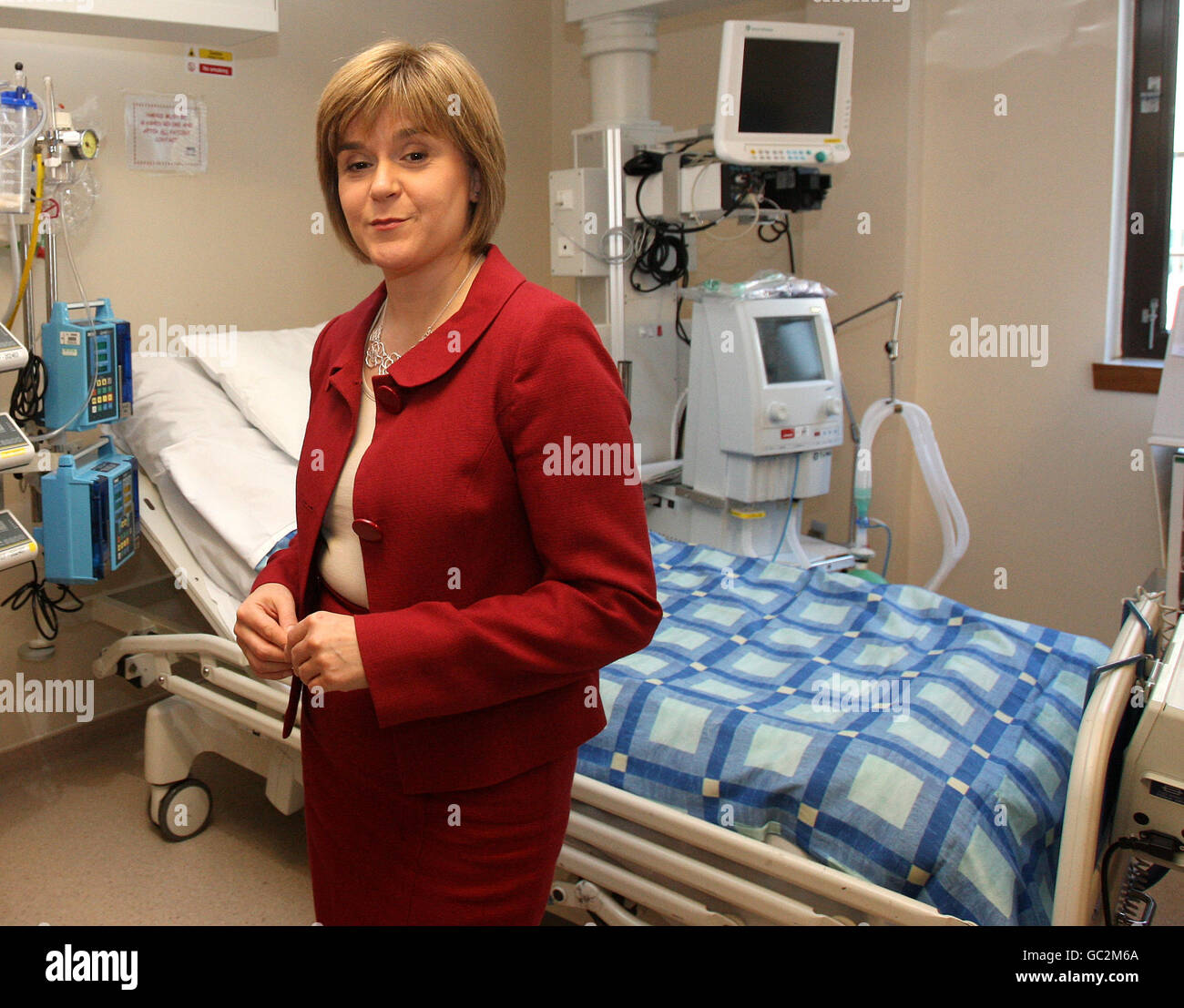
20 Oct 2008 — Scottish Health Secretary Nicola Sturgeon announced the move to end outsourcing of catering, cleaning and porter services across all NHS.
Discover more from Talking-up Scotland
Subscribe to get the latest posts sent to your email.
 Talking-up Scotland